How Does Structural Engineering Differ for Commercial vs Residential Projects?
Structural engineering plays a crucial role in every building, but the approach differs significantly between residential and commercial projects. While both require safe and compliant designs, the scale, complexity, and regulations involved set them apart.
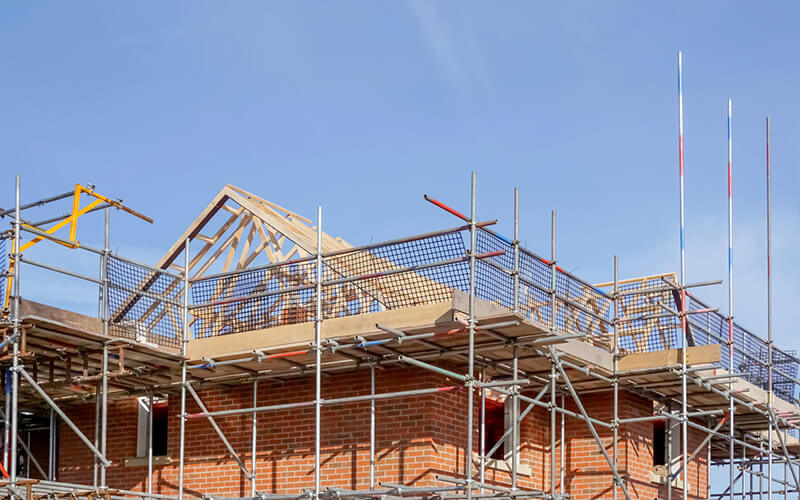
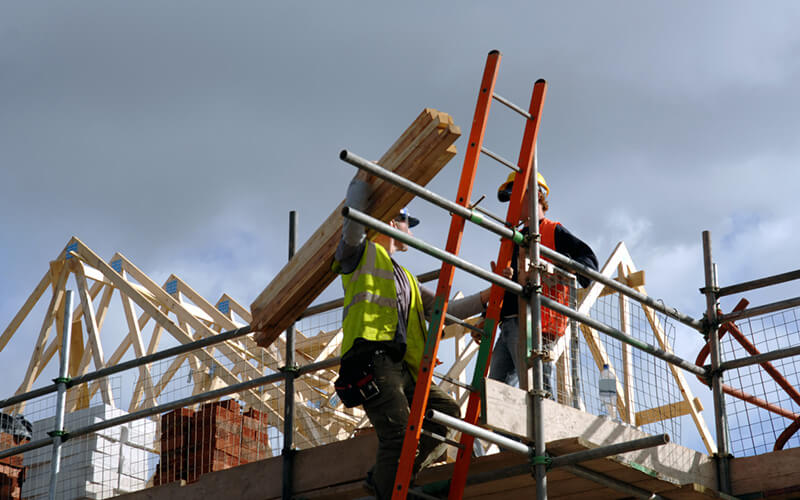
Key Differences Between Residential and Commercial Structural Engineering
1. Scale and Complexity
Residential projects (like homes and small extensions) are generally smaller and simpler, with straightforward load paths and limited floor levels.
Commercial buildings (offices, warehouses, schools, etc.) are larger, multi-storey, and must support heavier loads and complex usage.
🧠 Engineering impact: Commercial designs require more advanced analysis, including lateral stability, vibration control, and detailed coordination with other systems like HVAC, elevators, or fire escapes.2. Design Codes and Regulations
Residential designs follow basic housing regulations and local codes.
Commercial projects face stricter compliance, covering fire safety, accessibility, occupancy limits, and structural performance under greater loads.
🧾 Regulatory load: Commercial projects often require more documentation, third-party approvals, and coordination with multiple consultants.3. Materials and Methods
Homes commonly use timber, masonry, or light steel.
Commercial structures often use reinforced concrete, structural steel, or composite systems, requiring more advanced calculations and detailing.
🏗️ Engineering implication: More materials = more design considerations (e.g. deflection limits, fire rating, material behavior under load).4. Project Team and Coordination
Residential projects usually involve a small team and simple communication.
Commercial builds involve multiple consultants and specialists, requiring extensive coordination and integration.
🤝 Project dynamics: In commercial jobs, the structural engineer must anticipate and accommodate many external constraints (e.g. plant rooms, access routes, future adaptability).5. Budget and Deadlines
Homeowners prioritize cost-effective, practical solutions.
Commercial clients demand efficiency, scalability, and value over time, often under tight deadlines and higher risks.
💸 Risk management: Structural engineers in commercial projects must often deliver under tight schedules and provide designs that balance performance with long-term value.So, Which Needs “More” Structural Engineering?
It’s not about more or less—it’s about different types of input. Residential projects typically need straightforward, code-compliant solutions. Commercial projects require more detailed engineering, advanced analysis, and broader collaboration.
In both cases, a good structural engineer tailors the design to meet the specific needs of the building, ensuring it's safe, efficient, and fit for purpose.
In Summary
Residential engineering is about simplicity and cost-efficiency. Commercial engineering demands greater complexity, collaboration, and performance. Both require a tailored approach—and that’s where a qualified structural engineer makes all the difference.
📞 Need advice on your project? Get in touch to see how we can help—residential or commercial, we’ve got you covered.